


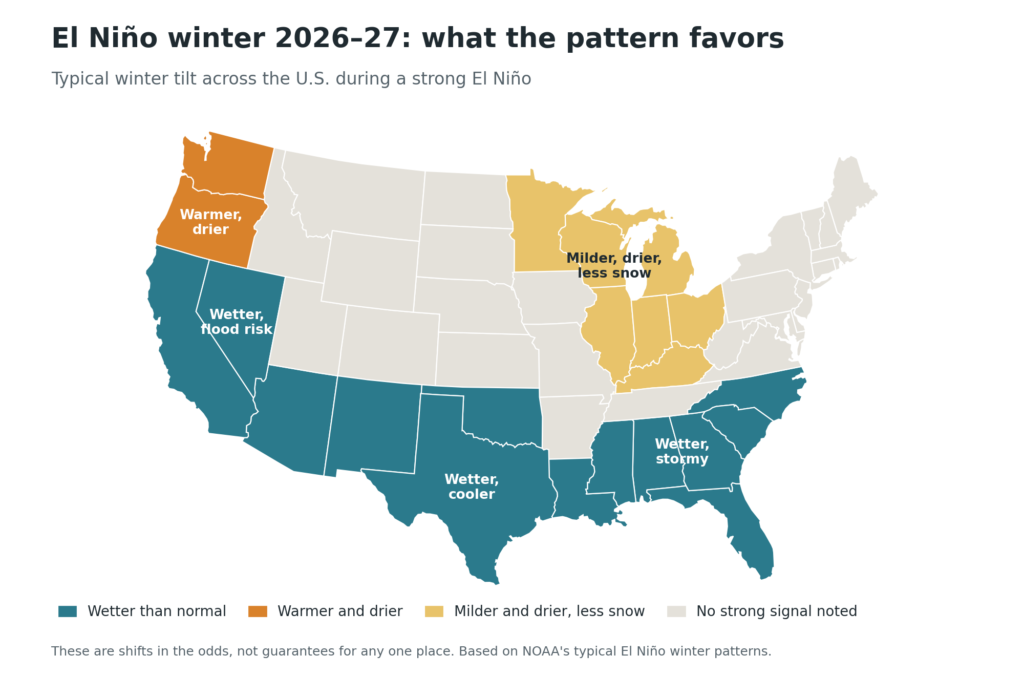
El Niño 2026 This Year’s El Niño Is Huge and Already Changing the World was a recent headline in the...
Read More


 EarthConnection, a ministry of the Sisters of Charity of Cincinnati, is a center for learning and reflection about living lightly on Earth. Aware of the interconnectedness of all of Creation, we seek to integrate spirituality and sustainability through programs in sustainable agriculture, alternative energies, ecojustice, and ecospirituality.

Our
Programs
EC has many programs to choose from on your environmental journey.

Our
Garden
Pictures and Information about the EC Garden.

Upcoming
Events
Link to upcoming Events

Scouting
Information
Information about badges and patches.
Upcoming Events
Calendars
Days of the Week
Time of Day
Venues
List
Grid
Plain
FCGG Annual Anniversary Celebration
at - 
La Casa del Sol, 5820 Bender Road, Cincinnati, OH 45233 Space holds just 100 people! Sign up here! In our annual anniversary celebration, we celebrate all our volunteers whose work impacts our community and our planet for the better. In this celebration event, we will have an update of our work this year, and receive our […]

Data Centers Hit Lame Duck: What’s Ahead?
at -
One of Ohio’s top investigative reporters will describe the headwinds buffeting Ohio’s 136th General Assembly as public anger surges against data centers.
 SCEARTHCONNECTION
 April 9, 2026
God and St. Francis
The following is a conversation between God and St. Francis (author unknown) This dialogue will make you laugh, but after...
Read More

 SCEARTHCONNECTION
January 8, 2026
SCEARTHCONNECTION
January 8, 2026
Winter 2025 edition of EarthConnection News
The Fall/Winter 2025 edition of EarthConnection News focuses on the intersection of spirituality, environmental justice, and climate action, featuring messages from religious leaders and...
Read More
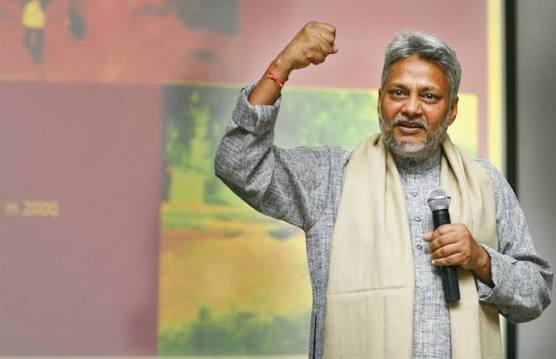
Dr. Rajendra Singh - The Waterman Of India
Environmentalist Rajendra Singh, famous as the “water man of India,” has devoted his career to the restoration of water bodies and the promotion of water security in some of India’s driest regions. He advocates what he describes as the “wisdom of the land,” which combines traditional ecological knowledge with contemporary scientific approaches to support river rejuvenation and groundwater recharge.
Singh and his organization, Tarun Bharat Sangh (Indian Youth Association), have constructed more than 8,600 traditional earthen dams, known locally as johads, and have supported the revival of more than 20 rivers and rivulets flowing across drought-prone regions of the Indian states of Rajasthan, Karnataka, Maharashtra, and Madhya Pradesh.
Read more about Dr. Singh - click here